 Get Quote

How to Source Wire Storage Products for Retail Programs
Before requesting prices for wire storage products, write down the intended use, selling format and packing requirements. A low unit price is difficult to compare when suppliers are quoting different finishes, accessories or carton arrangements. This guide follows the buying process from the first enquiry to an approved sample.
Start with the retail setting
Start with the retail setting. A compact countertop basket for a convenience format has a different job from a larger pantry organizer intended for a home-improvement retailer. The first may need quick visual appeal and easy replenishment. The second may need to carry more weight and communicate dimensions clearly on pack. Clarifying the selling environment early helps prevent a product that looks right in a sample room but performs poorly in the store.
Turn the use case into a specification
The next step is to define the product around real use. For wire homeware, that usually means confirming the supported load, installation method, contact points and cleaning conditions. A shower caddy needs a finish suited to moisture exposure and a practical way to drain water. A dish rack needs enough stability for daily use and space for the accessories included in the set. A fruit basket needs to balance ventilation, footprint and visual proportion. These are not cosmetic details; they shape both the construction and the cost.
Discuss packaging before sample approval
Good sourcing briefs also make room for packaging. Retailers may need individual hang tags, color sleeves, inner boxes, barcode placement or mixed assortments. Packaging affects carton dimensions, container loading and the condition in which products arrive at the distribution centre. It should therefore be considered while the product is still being developed, not after the final sample has been approved.
Involve the manufacturer before freezing the design
For OEM and ODM projects, a capable manufacturer should be involved before the design is frozen. Wire forming, welding, assembly and surface finishing each introduce practical constraints. Early feedback can simplify a difficult bend, improve a connection point or suggest a more efficient pack-out without changing the product’s purpose.
Make quotations comparable
Send the same specification revision to every shortlisted supplier. Ask each one to identify exclusions, proposed changes and assumptions rather than silently substituting a cheaper construction. Keep a record of which sample or drawing each quotation refers to.
- Product reference, dimensions in cm and intended household use.
- Material and finish requirements, with any points still open for discussion.
- Included trays, hooks, feet, hardware and instructions.
- Quantity by item and finish, plus the retail pack and carton arrangement.
- Destination market, requested shipment window and delivery terms to be agreed.
Use the sample as an approval record
Review the sample with the items it will actually hold. Record the agreed dimensions, assembly, appearance and pack-out, then list any changes in writing. A photograph alone may not show whether a basket rocks on a shelf or whether an accessory fits. A changed part or finish should be reviewed before the order is released.

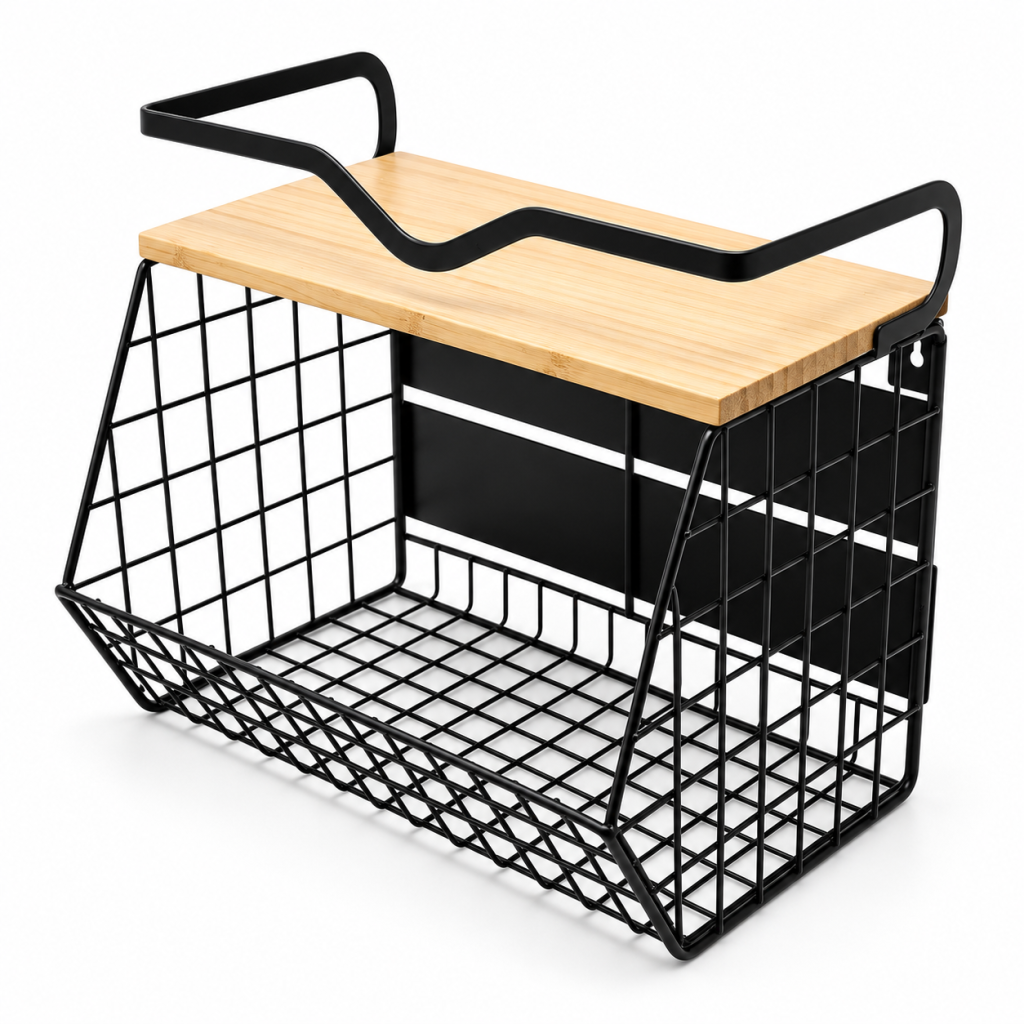
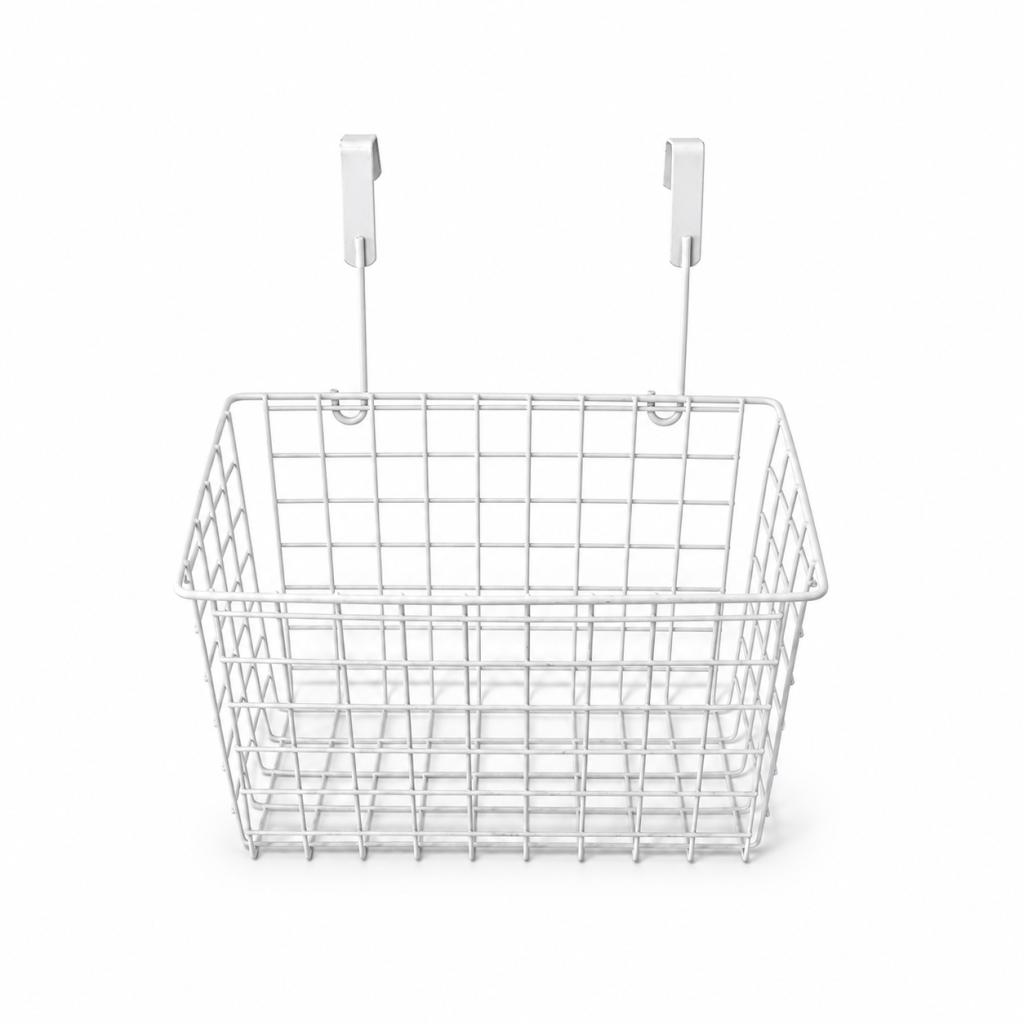
For a starting range, compare wire storage baskets. If the specification is not yet complete, use the OEM brief checklist before requesting a quotation.
Prepare a comparable enquiry
Ready to discuss an item? Send a product reference, target quantity and packaging brief through our OEM / ODM enquiry form. State which specifications are confirmed and which you would like the factory to review.