 Get Quote

Bathroom Storage Finishes: A Buyer’s Guide to Specification and Testing
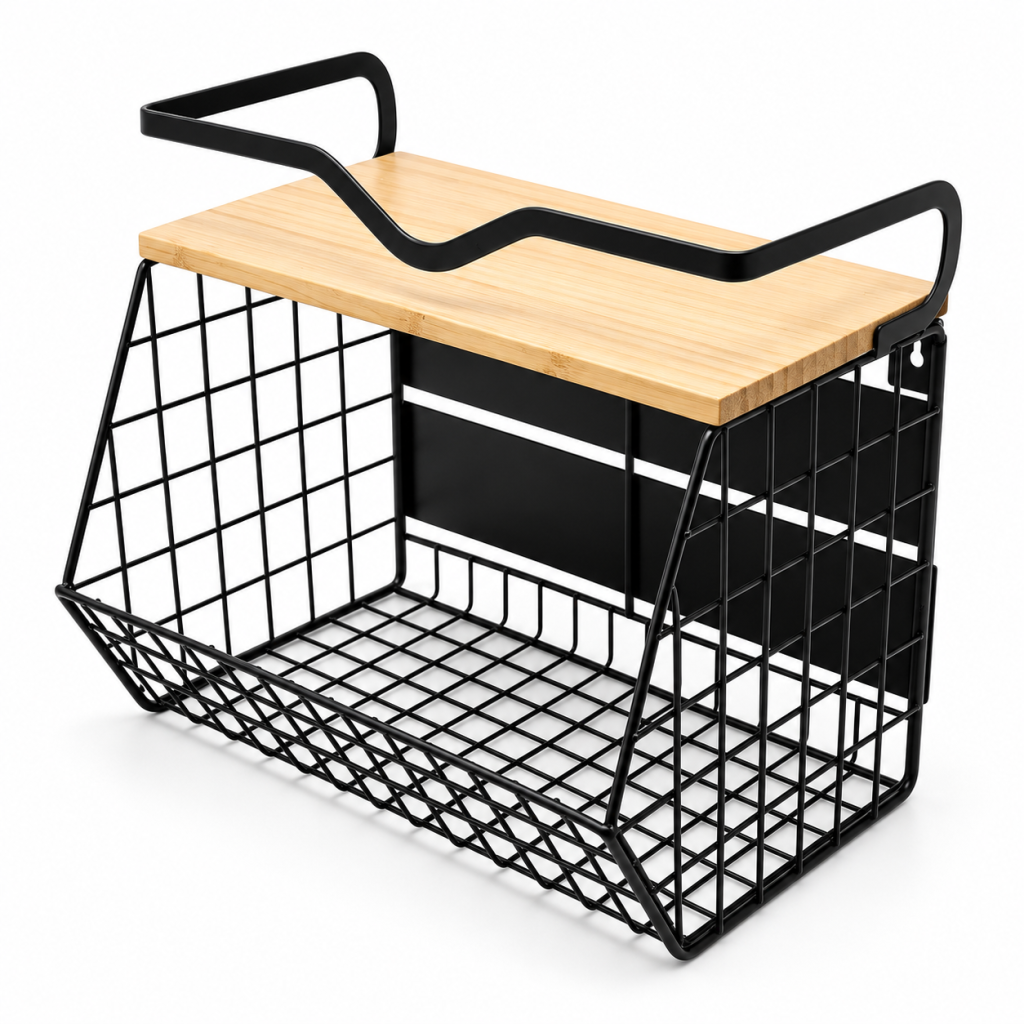
A finish name or colour is not enough to judge whether a bathroom organizer suits its intended use. Ask where it will be installed, how often it will be wet and how it will be cleaned. Those answers should guide the finish discussion and the sample-review plan.
Define the exposure before choosing the appearance
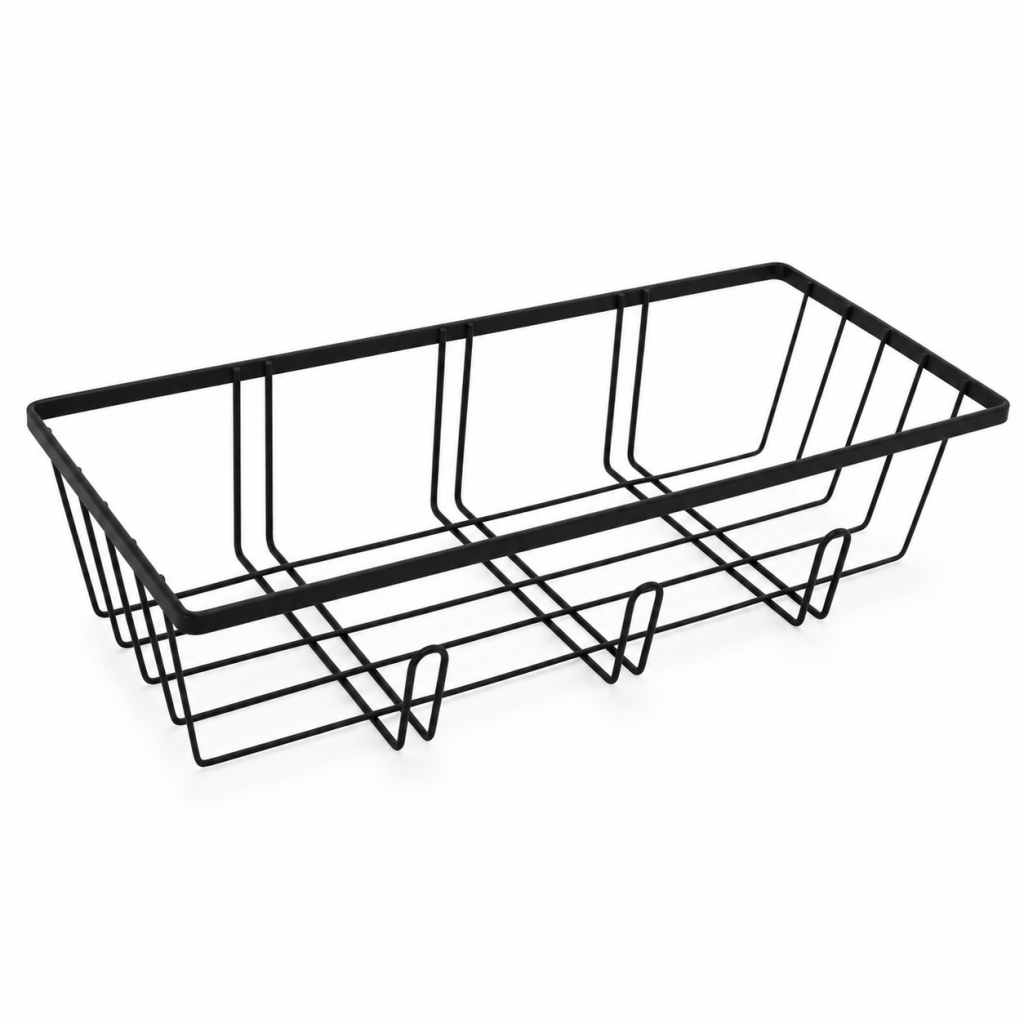
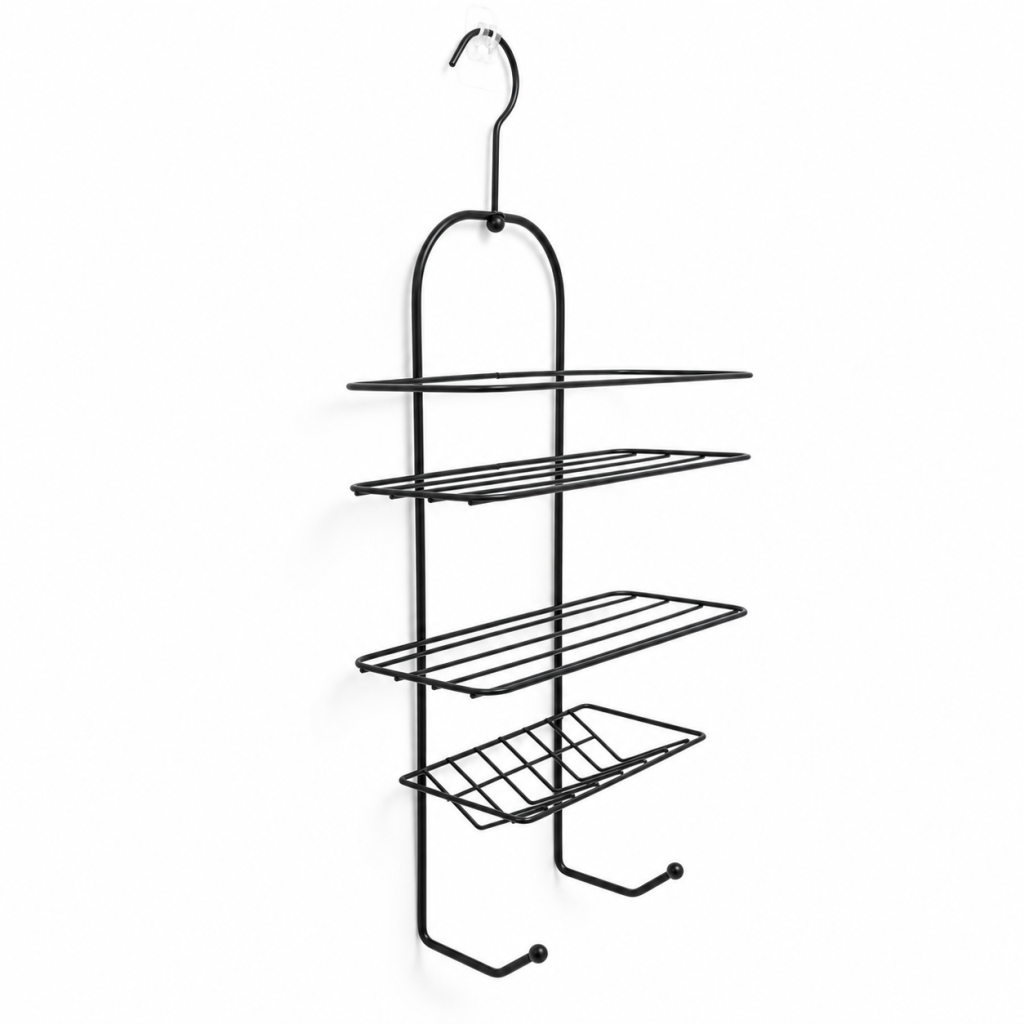
The first question is where the product will be used. A caddy placed close to a shower head sees very different conditions from a small holder used near a sink. Open wire construction can help water escape, but it does not remove the need for a finish suitable for the intended environment. Areas where wires meet, where hooks are formed and where accessories attach should be reviewed carefully because they are common points of wear.
Review the finish under realistic conditions
The desired retail look also matters. A smooth dark finish may suit a modern bathroom range, while a brighter metallic appearance may match a more traditional assortment. Appearance should not be judged only on a sample placed under showroom lighting. Buyers should consider how the product will look after regular cleaning and how its surface will interact with soap bottles, towels, tiles and fixtures.
Look at drainage, joints and contact points
Product construction and finish work together. A well-designed caddy allows water to drain and gives consumers easy access to the stored items. Suction cups, hanging hooks and mounting hardware should be tested with the full product load in mind. If a design includes separate baskets or removable components, their contact points should be checked for rubbing during use and transport.
Agree the inspection basis before production
For imported products, it is also helpful to agree on the inspection standard before bulk production. The sample should define the expected colour, sheen and visible quality. The production discussion should cover the finish process, the areas requiring protection and the packaging method used to prevent parts from scratching each other in transit.
What to confirm for common finish routes
| Finish route | Questions to ask | Do not assume |
|---|---|---|
| Powder-coated wire | How are welds and recessed areas covered, and what cleaning guidance applies? | That every coating system has the same resistance in a wet bathroom. |
| Plated metal | What is the underlying material and specified plating process? | That a bright metallic surface identifies the material or proves corrosion resistance. |
| Stainless-steel construction | Which grade and surface condition are specified, including joints and hardware? | That the word stainless alone defines performance in every environment. |
Ask for evidence that matches the claim
If a buyer requires corrosion testing, agree the method, acceptance criteria and sample condition before relying on a result. A test on one material or finish should not be treated as proof for a different assembled product. Do not convert a test duration into an unverified promise about years of use.
- Record the agreed colour, sheen and visible-finish standard.
- Check coverage and rubbing at welds, hooks and removable parts.
- Specify the intended environment and cleaning limitations.
- Review protective packing so parts do not damage the finish in transit.
Use the shower caddy evaluation checklist alongside this finish review. Our bathroom storage products provide starting formats to discuss.
Reference: interpreting corrosion tests
The ISO 9227 salt spray test overview explains that these methods are not intended to predict long-term corrosion resistance. The product specification must define the relevant exposure and interpretation. This reference explains test limitations; it is not evidence that a Qunbang product has been tested or certified.
Specify the environment before the claim
When requesting a finish recommendation, describe the installation area, cleaning routine and any buyer testing requirements through our product enquiry form. Avoid asking for a “rust-proof” claim without defining what evidence is required.